




Struggling with weight management despite diet and exercise efforts is a challenge millions face daily. Qsymia weight loss medication has emerged as a prescription option that combines two active ingredients to help adults achieve meaningful weight reduction. This guide explores everything you need to know about Qsymia, helping you make an informed decision about whether this medication aligns with your health goals.
Understanding Qsymia for Weight Loss
Qsymia is an FDA-approved prescription weight loss medication for chronic weight management in adults. It combines phentermine and topiramate extended-release in a dual-action formula designed for individuals with a BMI of 30 or greater, or those with a BMI of 27 or greater who have weight-related conditions like high blood pressure, type 2 diabetes, or high cholesterol. The medication works alongside a reduced-calorie diet and increased physical activity as part of a comprehensive weight management program.
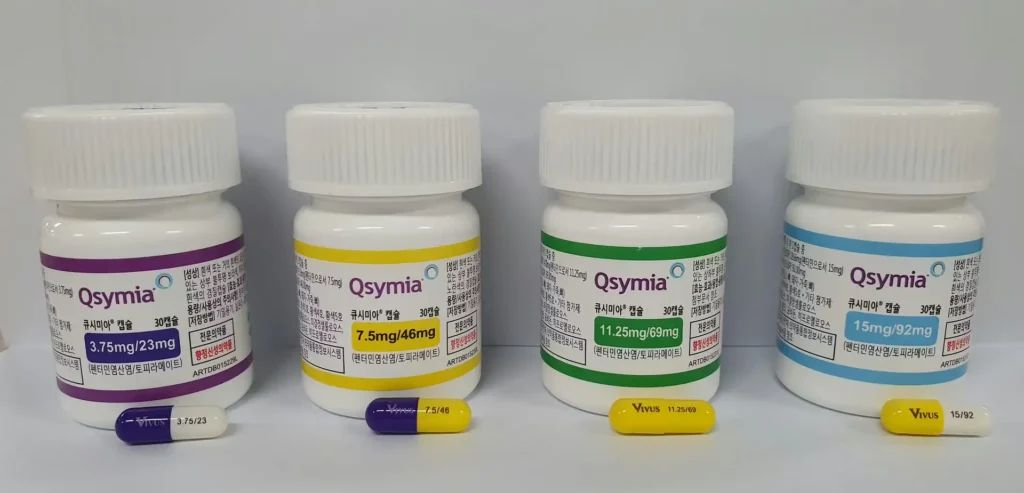
How Qsymia Works in the Body
Qsymia weight loss medication combines two active ingredients that work synergistically. Phentermine suppresses appetite by stimulating norepinephrine release in the brain, decreasing hunger signals and increasing fullness. Topiramate enhances satiety, boosts fat metabolism, and may alter taste perception. Together, they provide enhanced weight loss results compared to either medication alone, with extended-release technology ensuring consistent effects throughout the day.
FDA Approval and Medical Legitimacy
Qsymia received FDA approval in July 2012 after extensive clinical trials involving over 3,700 participants demonstrated significant efficacy and safety. The approval established it as one of the first combination weight loss medications approved in over a decade. Ongoing post-market surveillance continues to support the medical legitimacy of Qsymia weight loss treatment under proper medical supervision.
Expected Weight Loss Results
Clinical trials show impressive results for Qsymia weight loss treatment. Participants taking the recommended dose lost an average of 10.9% of their body weight over one year, compared to 1.6% with placebo.Most patients experience 5-7% reduction at 3 months, 8-10% at 6 months, and 10-12% at 12 months. Individual results vary based on adherence, starting weight, and metabolic factors. Healthcare providers typically evaluate progress after 12 weeks—if patients haven’t lost at least 3% of baseline weight, discontinuation may be recommended.
| Timeframe | Average Weight Loss Percentage | Notes |
| 3 Months (12 Weeks) | 5% – 7% | The “Success” Check: Doctors look for at least 3% loss to continue treatment. |
| 6 Months | 8% – 10% | Metabolic adjustment and steady progress phase. |
| 12 Months (1 Year) | 10.2% – 12.1% | Peak clinical results reached for most patients. |
| Placebo Group | 1.6% | For comparison: results without medication (diet/exercise alone). |
What Taking Qsymia Feels Like
Most patients report noticeable appetite suppression within 1-3 days of starting Qsymia weight loss medication. Common initial experiences include decreased hunger, possible mild tingling in hands and feet, slightly increased energy, and changes in taste perception. Ongoing use brings sustained appetite control, satisfaction with smaller portions, and reduced cravings for high-calorie foods. The appetite-suppressing effects feel natural rather than uncomfortable, making healthier eating choices easier without constant hunger struggles.
Dosage Duration and Long-Term Use
Qsymia follows a careful dosing schedule starting with the lowest dose for weeks 1-14, followed by evaluation and potential increase to maintenance doses of 7.5 mg/46 mg or 15 mg/92 mg. Unlike short-term options, Qsymia weight loss treatment is designed for chronic weight management, and many patients continue indefinitely with medical supervision as long as benefits continue without concerning side effects.
| Phase | Duration | Dosage (Phentermine / Topiramate ER) | Notes |
| Starter Dose | Days 1–14 | 3.75 mg / 23 mg | To allow the body to adjust to the medication. |
Recommended Dose | Day 15+ | 7.5 mg / 46 mg | The primary maintenance dose for weight loss. |
| Evaluation Period | After 12 Weeks | N/A | Doctor assesses if you’ve lost at least 3% of body weight. |
| Dose Escalation | Optional (14 days) | 11.25 mg / 69 mg | A temporary “step-up” dose if weight loss is insufficient. |
| Top Dose | Maintenance | 15 mg / 92 mg | The maximum dose for patients needing more support. |
These findings reinforce the real-world effectiveness of Qsymia for weight loss when used appropriately.
Qsymia vs. Phentermine: Which Is Better for Long-Term Weight Loss?
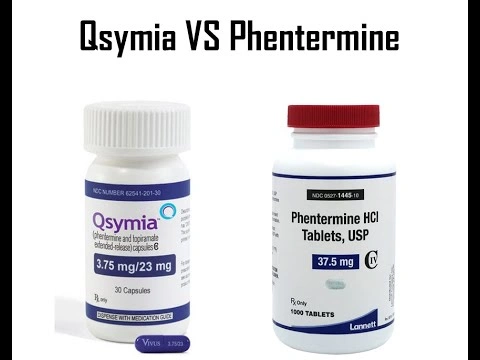
Choosing between Qsymia and Phentermine depends largely on whether you need a short-term boost or a long-term weight management solution. Phentermine is a classic central nervous system stimulant that has been used since the 1950s; however, it is only FDA-approved for short-term use, typically up to 12 weeks. While highly effective for an initial “kickstart,” many patients experience a weight loss plateau once the medication is discontinued. In contrast, Qsymia is a modern, dual-action formula that combines a lower dose of Phentermine with extended-release Topiramate. This combination targets weight loss from two angles: the Phentermine suppresses immediate hunger, while the Topiramate increases the sensation of fullness and curbs the “food noise” that leads to late-night cravings. Because of this synergistic effect, Qsymia is FDA-approved for chronic, long-term use, with clinical studies showing an average weight loss of 10.2% to 12.1% over a year, nearly double what is typically achieved with Phentermine alone. For those seeking sustainable results and a smoother experience with fewer “stimulant jitters,” Qsymia offers a more comprehensive medical path than standard Phentermine.
Side Effects and Safety Considerations
While Qsymia weight loss medication is generally well-tolerated, awareness of potential side effects is essential for anyone starting a chronic weight management journey. Most side effects are mild to moderate and typically decrease as your body adjusts to the medication. However, because Qsymia combines a stimulant with an anti-seizure medication, the side-effect profile is unique.
Common effects include:
- Paresthesia: A tingling or “pins and needles” sensation, usually in the hands and feet.
- Dysgeusia: A change in taste perception (carbonated beverages may taste flat or metallic).
- Xerostomia: Pronounced dry mouth.
- Sleep Disturbances: Insomnia or difficulty staying asleep due to the stimulant effect.
- Digestive Changes: Constipation is common as the body adjusts.
- Dizziness and Fatigue: Often linked to the body’s metabolic shift during initial weight loss.
To ensure maximum safety and effectiveness while taking Qsymia, you must prioritize strict pregnancy prevention and hydration by using reliable contraception and drinking plenty of water to prevent kidney stones. Additionally, you should only take the medication in the morning to avoid insomnia and never discontinue use abruptly, as a medically supervised taper is required to prevent the risk of seizures.
Stopping Qsymia
Discontinuing Qsymia weight loss medication requires gradual tapering to prevent seizures from the topiramate component. The recommended approach is taking the medication every other day for at least one week before stopping completely. Higher doses may require longer tapering periods. Healthcare providers should always supervise discontinuation, whether due to inadequate results, pregnancy, side effects, or goal achievement.
Qsymia vs Other Weight Loss Medications
Understanding how Qsymia weight loss compares to alternatives helps inform treatment decisions:
| Medication | Medication Average Weight Loss | Adminstration |
| Qsymia | 10-12% at 1 year | Oral daily |
| Wegovy | 15-17% at 1 year | Weekly injection |
| Contrave | 5-9% at 1 year | Oral twice daily |
| Saxenda | 8-10% at 1 year | Daily injection |
Is Qsymia Right for You?
As a board-certified nurse practitioner, I specialize in helping patients navigate the complexities of various weight loss medications so they get the results they are looking for. During our consultation, we’ll discuss if Qsymia is right for you and what the potential benefits and risks are.
Consider Qsymia weight loss treatment if you have a BMI of 30+ (or 27+ with weight-related conditions), have tried lifestyle changes without success, can commit to dietary modifications, are not pregnant and can use contraception, and don’t have contraindicated conditions. It may not be ideal if you prefer avoiding daily medication, have cardiovascular issues, are pregnant or planning pregnancy, or have had negative experiences with phentermine or topiramate. The decision requires comprehensive medical evaluation and realistic goal-setting in consultation with a healthcare provider.
If you want to learn more about Qsymia and how it could help you reach your weight loss goals and live in Connecticut, let’s meet and explore which option is the right fit for you.

Book a FREE 15-minute consultation to see if Phentermine is right for you.