




GLP-1 medications such as semaglutide and tirzepatide are not approved to treat fibromyalgia. Early research suggests they may reduce pain, fatigue, and opioid use in people with fibromyalgia, especially those who also carry extra weight. The evidence is promising, but no clinical trial has confirmed it yet.
Fibromyalgia is hard to live with and hard to treat. It brings widespread pain, deep fatigue, brain fog, poor sleep, and mood changes. There is no single test for it and no cure.
Interest in GLP-1 for fibromyalgia has grown quickly. The idea is simple: if these medications reduce weight, inflammation, and blood sugar swings, could they also ease fibromyalgia symptoms? Here’s what we know so far, and what we don’t.
Why Do Fibromyalgia and Weight Gain Often Go Together?
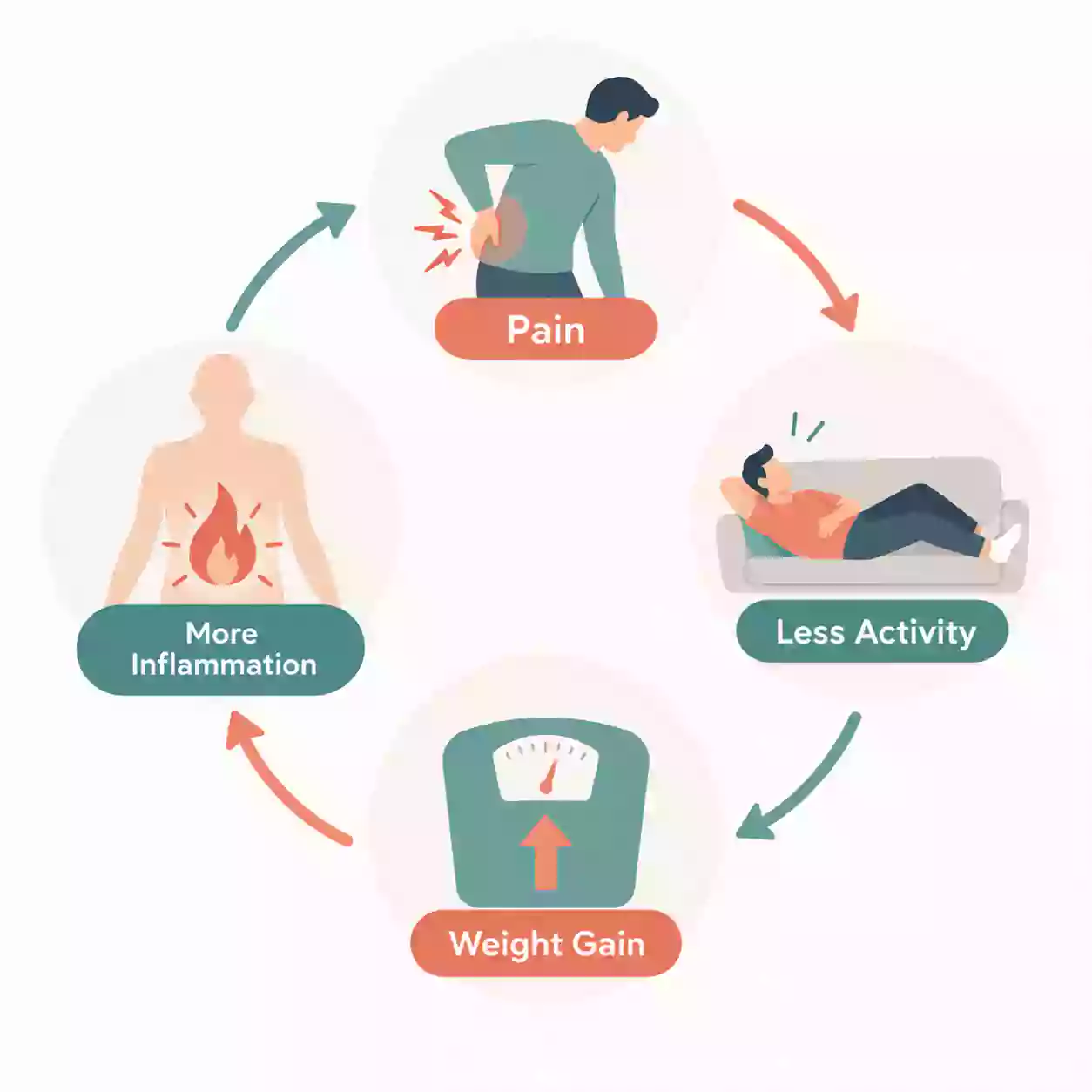
Many people with fibromyalgia find that pain and weight feed each other.
- Pain makes regular exercise difficult.
- Fatigue makes planning and cooking healthy meals harder.
- Common fibromyalgia medications, like pregabalin (Lyrica) and amitriptyline, can increase appetite and weight.
- Extra weight puts more strain on joints and muscles, which can make pain worse
Over time, this becomes a cycle that is tough to break with willpower alone.
How Are Weight, Inflammation, and Pain Connected?
Extra weight increases physical strain
Every extra pound adds roughly 4 pounds of force on your knees when you walk. Carrying 30 extra pounds means about 120 pounds of added pressure with every step.
Belly fat fuels inflammation
Visceral fat, the deep fat around your organs, releases inflammatory signals such as TNF-alpha and IL-6. These can make pain nerves more sensitive throughout the body.
Inflammation may worsen central sensitization
Fibromyalgia involves central sensitization. This means the brain and spinal cord turn up the volume on pain signals. Ongoing, low-grade inflammation may push that volume even higher.
Insulin resistance drains energy
Insulin resistance causes energy crashes and mental fog. When it overlaps with fibromyalgia, fatigue can become the hardest symptom to manage. Our prediabetes treatment program helps address this early.
What Does the Research Say About GLP-1 for Fibromyalgia?
The first large study in people with fibromyalgia
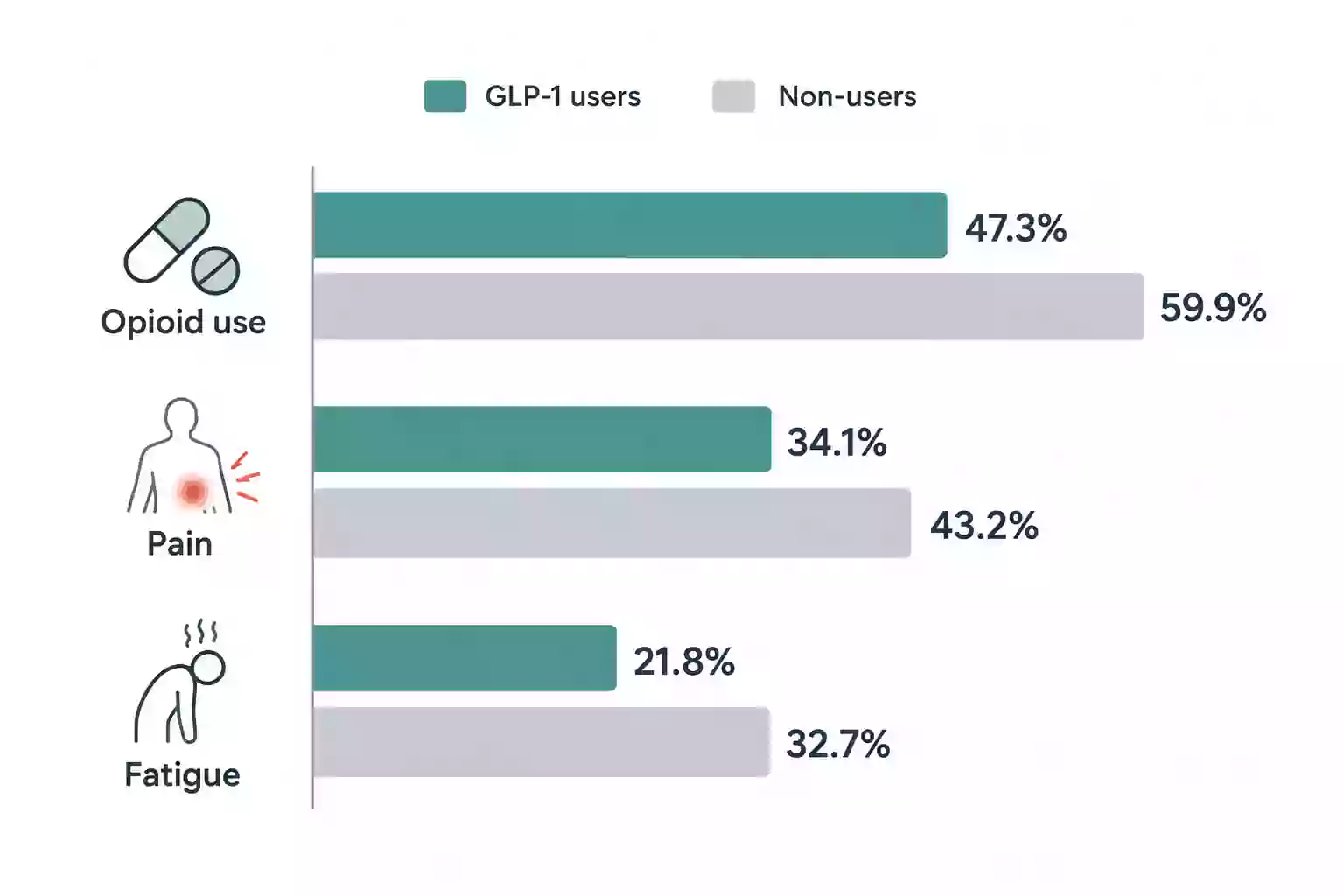
In 2025, Mayo Clinic researchers compared about 38,000 people with fibromyalgia who used GLP-1 medications against a matched group who did not. Over five years, the GLP-1 group reported:
| Outcome | GLP-1 users | Non-users |
| Opioid use | 47.3% | 59.9% |
| Pain | 34.1% | 43.2% |
| Fatigue | 21.8% | 32.7% |
These results are encouraging, but the study looked back at health records. It shows an association, not proof of cause. Better weight and blood sugar control may explain part of the benefit.
Pain relief seen in knee osteoarthritis
The STEP 9 trial tested semaglutide in adults with obesity and painful knee osteoarthritis. After 68 weeks, pain scores improved far more with semaglutide than with placebo, and people moved more easily in daily life.
Osteoarthritis is a different condition. Still, the trial shows these medications can meaningfully reduce chronic pain in people carrying extra weight.
Lower inflammation throughout the body
GLP-1 medications lower inflammatory markers such as CRP, TNF-alpha, and IL-6, the same signals linked to amplified pain. Read more in our guide on how semaglutide helps reduce inflammation.
Wondering whether this research applies to you? A short, no-pressure call can help you find out.
How Might GLP-1 Medications Help Fibromyalgia Symptoms?
| Symptom | Possible benefit |
| Widespread pain | Less joint strain and lower inflammation |
| Fatigue | Steadier blood sugar and fewer energy crashes |
| Poor sleep | Weight loss can improve sleep quality and sleep apnea |
| Low mood | Some people report better mood and well-being |
| Opioid reliance | Linked to lower opioid use in early research |
In clinical trials, people often lose 15 to 22% of their body weight on these medications. For a 200-pound person, that’s 30 to 44 pounds, and potentially 120 to 176 fewer pounds of force on the knees with each step.
What Should You Know Before Trying a GLP-1 Medication?
- It’s not a replacement. Exercise, cognitive behavioral therapy (CBT), good sleep habits, and medications like duloxetine or milnacipran remain the core of fibromyalgia care.
- Stomach side effects may feel stronger. Irritable bowel syndrome (IBS) is common with fibromyalgia. Nausea and constipation can be more bothersome. See our tips on managing semaglutide side effects and starting Mounjaro safely.
- Nutrition matters. Eating enough protein protects muscle as you lose weight. Our nutrition counseling builds plans around low-energy days.
- It needs medical oversight. A provider should review your history, current medications, and labs first.
From our clinic: At Everest, Geeta Sharma, DNP, NP-C, reviews every patient’s full medication list before starting a GLP-1. For people with fibromyalgia, we start low, increase slowly, and adjust around flare days so side effects don’t add to an already heavy symptom load.
Questions Patients Often Ask
For broader questions about our services and approach, visit our FAQ page. You may also find our post on common myths about GLP-1 medications useful if you are still weighing whether these medications are right for you.
GLP-1 for Fibromyalgia
GLP-1 for fibromyalgia is not a proven treatment yet, but the early signs are hard to ignore. For people living with both fibromyalgia and extra weight, these medications may ease the cycle of pain, fatigue, inflammation, and weight gain.
The goal isn’t to replace what already works. It’s to add one more tool, safely, with a provider who understands both conditions.

If you live in Connecticut, you can talk it through with our board-certified nurse practitioner from home. Learn more about our medical weight loss treatment, or start with a free consultation.
Contact Everest eClinic to speak with a provider about your options.
Sincerely,
Geeta Sharma,
DNP Endocrinology Nurse Practitioner
Everest Diabetes & Weight Loss
Connecticut: 203-689-0558 Office Phone or Text
Texas: Call: 512-541-2126

This article is for informational purposes and does not replace individualized medical advice. Talk to your provider before starting or stopping any medication.