




If you have celiac disease and are also struggling with weight gain, blood sugar, or other metabolic concerns, you may have heard about GLP-1 and GIP receptor agonist medications and wondered whether they are appropriate for you.
The short answer is: they can be, for the right reasons and with the right expectations. But there are a few specific things worth knowing before you start.
What GLP-1 and GIP Medications Do Not Do for Celiac Disease
Before anything else, this needs to be said clearly.
GLP-1 and GIP medications (semaglutide, tirzepatide, liraglutide, and others) are not treatments for celiac disease. They do not heal intestinal damage caused by gluten. They do not replace a gluten-free diet. And no version of these medications has been developed or approved specifically for celiac disease patients.
A strict, lifelong gluten-free diet remains the only proven management for celiac disease. That does not change regardless of what other medications you take.
Why Celiac Patients Sometimes Need Metabolic Support

Here is something that surprises a lot of people: celiac disease is increasingly associated with weight gain and obesity, not just malnutrition.
Research using U.S. electronic health records found that approximately 45% of celiac disease patients have a BMI above 30, which is roughly in line with the general population obesity rate. One reason for this is that when someone with undiagnosed or untreated celiac disease finally starts a gluten-free diet, the intestines begin to heal. As absorption improves, caloric intake is no longer escaping through the gut the way it was before. Studies have found that about one in three newly diagnosed patients gains meaningful weight in the six months after going gluten-free.
The composition of gluten-free processed foods plays a role too. Research has found that many gluten-free packaged products contain more total fat and saturated fat than their gluten-containing counterparts. Eating these foods without the kind of mindful balance you might expect can quietly drive weight gain over time. Personalized nutrition counseling can help celiac patients build a gluten-free eating pattern that supports their metabolic goals.
Beyond weight, people with celiac disease have a higher risk of insulin resistance, type 2 diabetes, and metabolic syndrome. Part of this stems from the chronic intestinal inflammation involved in untreated disease; part of it is the ongoing immune activation even in treated patients.
This is the context in which GLP-1 and GIP medications become relevant for celiac disease patients.
How These Medications May Help
Weight Management
GLP-1 receptor agonists (like semaglutide and liraglutide) and dual GLP-1/GIP agonists (like tirzepatide) reduce appetite and slow gastric emptying. They work regardless of the underlying reason for weight gain, so the post-diagnosis weight gain that many celiac patients experience is a reasonable target for our weight loss treatment program.
Blood Sugar and Insulin Resistance
Celiac disease is associated with both type 1 diabetes (both are autoimmune conditions that can occur together) and insulin resistance. GLP-1 medications improve insulin sensitivity and lower blood sugar, which can be valuable for celiac patients who also have type 2 diabetes, prediabetes and insulin resistance.
Inflammation
Celiac disease involves persistent intestinal inflammation. GLP-1 medications do not directly treat this inflammation, but they do reduce systemic inflammatory markers, which may contribute to a modest improvement in overall metabolic wellbeing. We cover how semaglutide affects inflammation in more detail in a separate post.
What Does the Research Say About GLP-1 Medications and Celiac Disease?
A Mayo Clinic retrospective cohort study published in the Journal of Clinical Gastroenterology (2024) is the most directly relevant research available on this topic.
The study matched 39 celiac disease patients to 78 patients without celiac disease, all of whom were taking antiobesity medications. It found that celiac patients achieved similar weight loss outcomes to patients without celiac disease at 3 and 6 months. At 12 months, there was a trend toward slightly lower total body weight loss in the celiac group (6.5% vs. 9.5%), but this difference was not statistically significant. The proportion of patients achieving at least 5% weight loss at 12 months was essentially identical between the two groups (about 73% in each).
Importantly, the rate of side effects from these medications was similar in both groups. Celiac disease did not appear to make patients more prone to side effects from GLP-1 medications.
The researchers concluded that anti-obesity medications, including injectable GLP-1 receptor agonists, appear to be a safe and effective option for weight management in celiac disease patients.
This is encouraging data, though it is worth noting the study was small and most participants were on lower semaglutide doses than those now approved for chronic weight management.
Practical Considerations for Celiac Patients Specifically
GI Side Effects
GLP-1 and GIP medications can cause nausea, vomiting, diarrhea, and constipation, particularly during the early weeks of treatment or after dose increases. If you already have a sensitive digestive system from celiac disease, these effects may feel more disruptive. Starting at the lowest possible dose and titrating slowly is especially important.
Are These Medications Gluten-Free?
Most commercially available injectable GLP-1 and GIP medications do not contain gluten in their formulations. However, you should always confirm this directly with your pharmacist before starting, as inactive ingredients can vary between manufacturers and formulations.
Injectable vs. Oral Formulations
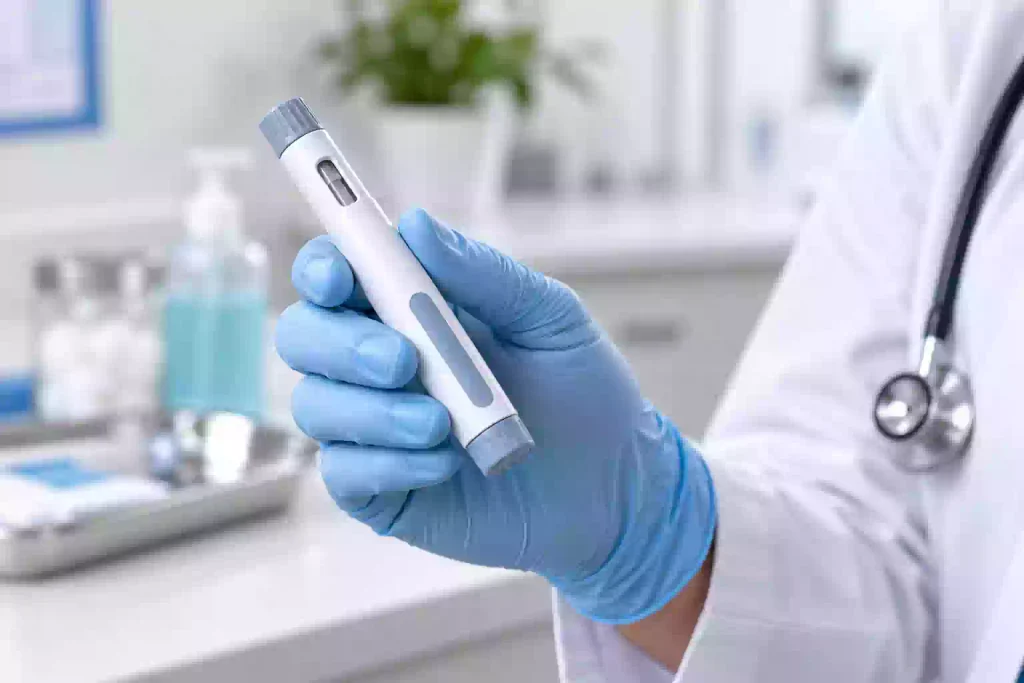
Injectable versions of these medications (subcutaneous injections) bypass the digestive tract entirely for absorption purposes. Intestinal damage from active or undertreated celiac disease does not affect how they are absorbed.
Oral semaglutide (Rybelsus) is a different situation. Oral semaglutide depends on absorption through the gastrointestinal lining. If you have active intestinal damage from celiac disease, this may affect how much of the medication actually enters your system. If oral semaglutide is being considered, this is worth discussing with your prescribing provider.
What This Means for Most Celiac Patients
For most celiac patients who are well-managed on a gluten-free diet, injectable GLP-1 and GIP medications appear to work similarly to how they work in people without celiac disease. The clinical data available, while still limited, is reassuring.
Questions Patients Often Ask
For broader questions about our services and approach, visit our FAQ page. You may also find our post on common myths about GLP-1 medications useful if you are still weighing whether these medications are right for you.
Using GLP-1 Medications Safely with Celiac Disease
GLP-1 and GIP medications are not treatments for celiac disease. But for celiac patients who are also managing weight gain, insulin resistance, or metabolic syndrome, the evidence supports their use. Injectable formulations in particular appear to work comparably to how they work in people without celiac disease, with a similar side effect profile.
The most important step is making sure your gastroenterologist and your weight management provider are communicating with each other and that your treatment plan accounts for both conditions together.

If you have celiac disease and are wondering whether a GLP-1 or GIP medication may be appropriate for your metabolic health, Everest eClinic offers telehealth consultations in Connecticut and Texas. Book a telehealth consultation to talk through your full picture with a provider who specializes in metabolic and endocrine care.
Contact Everest eClinic to speak with a provider about your options.
Sincerely,
Geeta Sharma,
DNP Endocrinology Nurse Practitioner
Everest Diabetes & Weight Loss
Connecticut: 203-689-0558 Office Phone or Text
Texas: Call: 512-541-2126

This article is for informational purposes and does not replace individualized medical advice. Talk to your provider before starting or stopping any medication.
Source: Anazco D, Fansa S, Ghusn W, et al. Efficacy of Antiobesity Medications in Patients with Celiac Disease on a Gluten-Free Diet: A Retrospective Matched Cohort Study. J Clin Gastroenterol. 2024;58(7):650–655. PubMed Central