




The maximum dose of tirzepatide, the GLP-1 and GIP medication sold as Zepbound for weight loss and Mounjaro for diabetes, is 15 mg weekly. But do you need to stay at that maximum dose forever for long-term weight maintenance? For many patients, a lower-dose tirzepatide plan works just as well.
The tirzepatide maintenance dose is the lowest dose that keeps your weight stable after you reach your goal. For Zepbound, the FDA approved 5 mg, 10 mg, and 15 mg weekly as maintenance doses. Some patients later stretch to every other week. That approach is off-label and works best with regular check-ins with your provider.
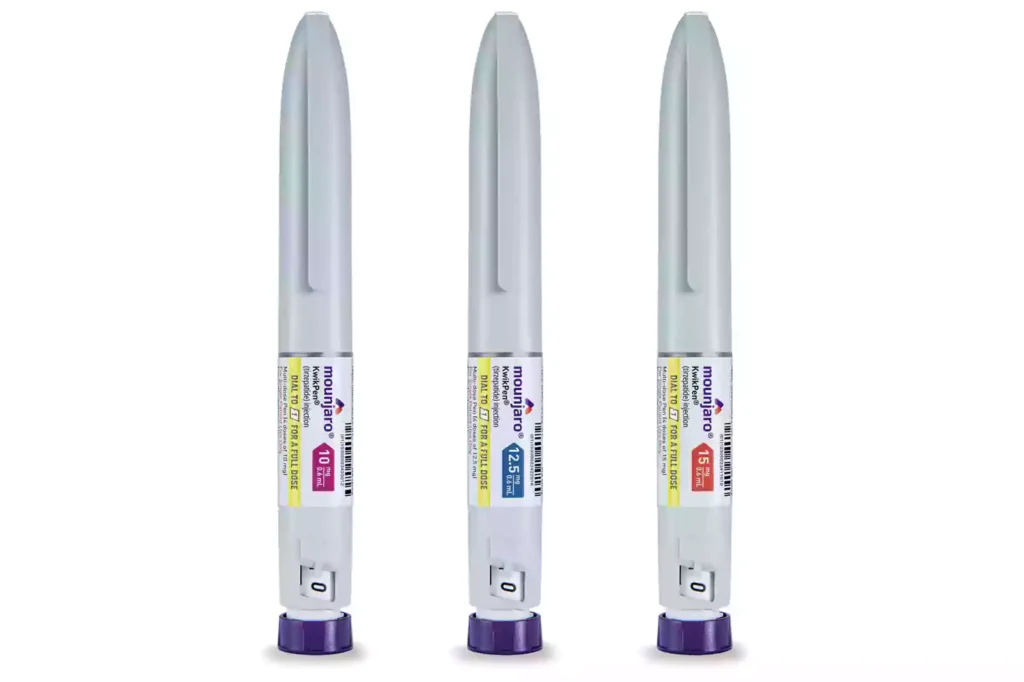
The FDA approved three tirzepatide maintenance doses for Zepbound: 5 mg, 10 mg, and 15 mg weekly, precisely because not every patient needs the top dose for long-term weight maintenance.
Finding Your Tirzepatide Maintenance Dose
The FDA approved three maintenance doses for Zepbound: 5 mg, 10 mg, and 15 mg weekly. This is the Zepbound maintenance dose range your provider works within. This built-in flexibility exists because the FDA recognized that not every patient needs the maximum dose for long-term benefit, which is why tirzepatide dose reduction is a normal part of long-term care rather than an exception.
In clinical practice, many providers use a “treat to target” approach. They increase the dose until you reach your weight-loss goal, then gradually taper to the lowest dose that maintains the result, rather than dropping suddenly.
This mirrors how we discussed lower-dose semaglutide maintenance and how tirzepatide weight regain is managed after stopping treatment entirely. The same principle also applies to blood pressure medications, thyroid medications, and many other chronic disease treatments.
What Happens to Your Tirzepatide Dose After You Reach Your Goal Weight?
Reaching your goal weight doesn’t mean the medication’s job is done. It means the job changes. During weight loss, the dose is working to bring your weight down. During maintenance, it only needs to keep your appetite and metabolism steady enough to hold that weight.
That’s why most people don’t need to keep increasing their dose to maintain their results. In fact, once you’ve stabilized, the usual direction is down, not up.
Here is how a taper often looks in practice:
- Stabilize first. Stay on your current dose until your weight has held steady for about 3 to 6 months.
- Step down one dose at a time. For example, 15 mg to 10 mg, or 10 mg to 7.5 mg.
- Reassess after 4 to 8 weeks. We look at your weight, your appetite, and how you feel.
- Settle on the lowest dose that works. If your weight holds, that becomes your maintenance dose. If it starts to climb, we go back up one step.
What about stopping completely? The SURMOUNT-4 trial looked at exactly this. After 36 weeks on tirzepatide, people who switched to a placebo regained about 14% of their body weight over the following year. People who stayed on the medication kept losing. For most patients, a lower ongoing dose protects their results much better than stopping outright.
Who Maintains Well on Lower Doses?
- Patients who have reached their health goals and stabilized for at least 3 to 6 months
- Patients who are sensitive to side effects at higher doses, such as nausea, diarrhea, or fatigue
- Patients using the medication alongside consistent lifestyle changes, including regular exercise, adequate protein, good sleep, and stress management
- Patients whose primary goal was metabolic health, such as blood sugar, cholesterol, or blood pressure, rather than maximum weight loss
Is 5 mg Tirzepatide Enough for Maintenance?
For many people, yes. Even as a treatment dose, 5 mg is not a weak dose. In the SURMOUNT-1 trial, people on 5 mg weekly lost about 15% of their body weight on average over 72 weeks. That compares with about 21% on 15 mg.
If 5 mg helped you lose weight, it can often help you keep it off. The best candidates are people who have been stable for several months, have built steady eating and activity habits, and didn’t notice much difference between their higher doses.
5 mg may not be enough if you notice strong hunger returning, if your weight creeps up across two or three check-ins, or if you started at a very high BMI. In those cases, 7.5 mg or 10 mg is often the better long-term fit.
Tirzepatide Dose Chart: From Starting Dose to Maintenance
| Weekly dose | Stage | Minimum time at this dose | Used for maintenance? |
|---|---|---|---|
| 2.5 mg | Starting dose | 4 weeks | No, for getting started only |
| 5 mg | Step up | 4 weeks | Yes, FDA-approved maintenance dose |
| 7.5 mg | Step up | 4 weeks | Sometimes, as part of a taper |
| 10 mg | Step up | 4 weeks | Yes, FDA-approved maintenance dose |
| 12.5 mg | Step up | 4 weeks | Sometimes, as part of a taper |
| 15 mg | Maximum dose | As long as needed | Yes, FDA-approved maintenance dose |
| Every other week (any dose) | Extended maintenance | Provider guided | Off-label, needs monitoring |
The lowest dose of tirzepatide is 2.5 mg weekly and the maximum is 15 mg weekly. Doses go up in 2.5 mg steps, with at least 4 weeks on each dose before moving up. There is no rule that says you must reach 15 mg. Many patients stop increasing once their weight loss is steady.
Can You Take Tirzepatide Every Other Week for Maintenance?
Some patients can, and it’s becoming a more common conversation in maintenance care. But it’s important to know what you’re signing up for.
Is it approved? No. The FDA label for Zepbound and Mounjaro calls for weekly dosing. Every-other-week dosing is an off-label strategy, and the research behind it is still limited. It should only be done with your provider’s guidance.
Why it can work. Tirzepatide has a half-life of about 5 days, so it stays active in your body for a good stretch after each injection. During maintenance, you’re no longer trying to push weight down. You only need enough effect to keep hunger in check. For some people, that’s possible with a longer gap between doses.
What people often notice. In the second week, appetite may start to come back, often around days 10 to 14. If that hunger is mild and easy to manage, every-other-week dosing may suit you. If it feels like your old appetite has fully returned, weekly dosing is probably the better choice.
Who it may suit:
- Patients who have kept their weight stable for at least 3 to 6 months on a weekly maintenance dose
- Patients with strong eating, activity and protein habits already in place
- Patients looking to lower their medication cost or side effects
Who should be cautious:
- Patients taking tirzepatide mainly for type 2 diabetes, since blood sugar control may become less steady
- Patients who regained weight quickly in the past when they missed doses
- Patients still actively losing weight
How to move to every other week. Rather than jumping straight to two weeks, many providers stretch the gap gradually: weekly, then every 10 days, then every 14 days. Each step usually lasts about a month while you track your weight.
The Cost Factor
For patients paying out of pocket, which is common given insurance coverage challenges, dose reduction has a direct financial benefit.
A 5 mg maintenance dose costs the same per injection as 15 mg if you use single-dose pens. But with multi-dose vials or compounded formulations, lower doses can significantly extend your supply. Every-other-week dosing at any dose cuts the annual cost roughly in half.
Finding Your Long-Term Maintenance Strategy

The goal is not to take the most medication possible. It is to take the least medication necessary to maintain your health.
Work with your Everest eClinic provider to find your personal tirzepatide maintenance dose. For some patients, that is 15 mg weekly. For others, it is 5 mg weekly or even every other week.
The right dose is the one that keeps you healthy, comfortable, and sustainable for the long term.
Frequently Asked Questions
Wondering if a lower tirzepatide maintenance dose is right for you? Talk to a provider about your options before making any changes.
Sincerely,
Geeta Sharma,
DNP Endocrinology Nurse Practitioner
Everest Diabetes & Weight Loss
Connecticut: (203) 689-0558 Office Phone or Text
Texas: Call: 512-541-2126

This article is for informational purposes and does not replace individualized medical advice. Talk to your provider before starting or stopping any medication.
References
- U.S. Food and Drug Administration. Zepbound (tirzepatide) prescribing information. Eli Lilly and Company.
- Jastreboff AM, et al. Tirzepatide once weekly for the treatment of obesity (SURMOUNT-1). New England Journal of Medicine, 2022.
- Aronne LJ, et al. Continued treatment with tirzepatide for maintenance of weight reduction in adults with obesity (SURMOUNT-4). JAMA, 2024.