



Yes, semaglutide lowers blood pressure. So does tirzepatide. Neither medication is approved for hypertension, but data from multiple large clinical trials consistently show systolic blood pressure reductions of 3 to 8 mm Hg compared to placebo, and in some cases enough for patients to reduce or stop their blood pressure medications.
If you have high blood pressure, or your doctor has mentioned your numbers are “borderline,” that is worth understanding. GLP-1 and GLP-1/GIP medications like semaglutide (Ozempic, Wegovy), tirzepatide (Mounjaro, Zepbound), and liraglutide (Saxenda) were designed for diabetes and weight loss. The blood pressure benefit is real; it is consistent across trials, and it happens through several mechanisms that have nothing to do with willpower or diet alone.
Here is what the evidence shows, why it happens, and what it means practically for you.
What Are GLP-1 Medications?
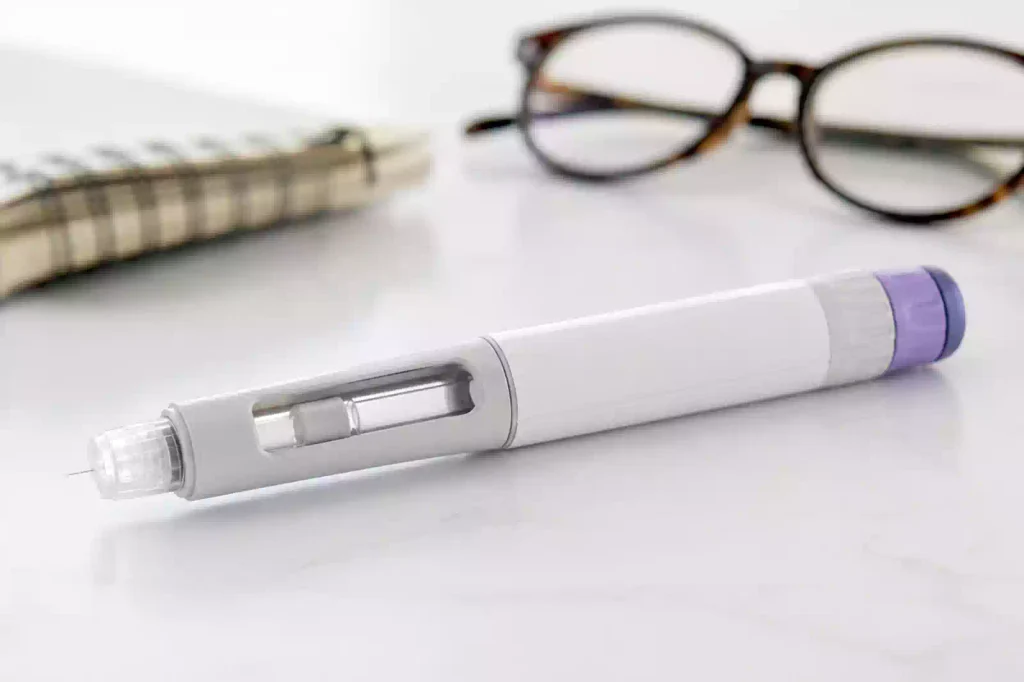
GLP-1 medications are a class of drugs that mimic glucagon-like peptide-1, a hormone naturally produced in the gut after eating. They slow digestion, reduce appetite, and improve how the body manages blood sugar. Semaglutide (sold as Ozempic for diabetes and Wegovy for weight loss) acts on the GLP-1 receptor only. Tirzepatide (Mounjaro, Zepbound) acts on both the GLP-1 and GIP receptors, making it a dual agonist. Both are given as once-weekly injections. Both produce significant, sustained weight loss. And both lower blood pressure.
What the Clinical Trials Show
The blood pressure findings across the major GLP-1 trials are remarkably consistent.
Semaglutide: STEP 1 and STEP 8
In the STEP 1 trial, semaglutide 2.4 mg reduced systolic blood pressure by 6.2 mm Hg and diastolic blood pressure by 2.8 mm Hg, compared to just 1.1 mm Hg and 0.4 mm Hg with placebo. More than half of treated participants (51.5%) reached the American College of Cardiology/American Heart Association blood pressure target of below 130/80 mm Hg, compared to only 38.2% on placebo.
In STEP 8, which directly compared semaglutide against liraglutide, semaglutide reduced systolic blood pressure by 5.7 mm Hg and diastolic by 5.0 mm Hg, significantly more than liraglutide on both measures. The 2025 AHA/ACC Hypertension Guideline specifically cites this trial as evidence supporting GLP-1 medications for blood pressure management in patients with obesity.
SELECT: The Cardiovascular Outcomes Trial
SELECT is the largest cardiovascular outcomes trial of a GLP-1 medication, involving 17,604 patients with established heart disease and obesity. Semaglutide reduced systolic blood pressure by 3.3 mm Hg more than placebo. While that sounds small, population-level data show that even a 2 mm Hg reduction in systolic blood pressure is predicted to yield a 7% reduction in vascular mortality. More importantly, SELECT showed a 20% reduction in major cardiovascular events, including heart attack, stroke, and cardiovascular death. This is also covered in detail in our post on how semaglutide fights inflammation, since both effects appear to work together.
Tirzepatide: SURMOUNT-1
For tirzepatide, the blood pressure effects are even more pronounced. A prespecified substudy of SURMOUNT-1 used 24-hour ambulatory blood pressure monitoring, the gold standard for measuring blood pressure. Tirzepatide 15 mg reduced systolic blood pressure by 8.0 mm Hg compared to placebo. The 2025 AHA/ACC Guideline notes that approximately 70% of this blood pressure reduction was mediated by weight change.
What About Weight Loss Alone?
Here is an important nuance from STEP 1: when researchers compared treated and placebo participants who lost the same amount of weight, the semaglutide group still had greater reductions in systolic blood pressure, non-HDL cholesterol, LDL cholesterol, and fasting glucose. That suggests GLP-1/GIP medications have cardiovascular benefits that go beyond simply making you lighter.
A meta-analysis of 15 randomized trials in non-diabetic adults with obesity confirmed that GLP-1 receptor agonists significantly reduce systolic blood pressure by approximately 4.1 mm Hg and diastolic blood pressure by 1.4 mm Hg on average.
How GLP-1 Medications Actually Lower Blood Pressure
Several mechanisms work together here, and understanding them helps explain why the effect is real and not just a side effect of losing weight.
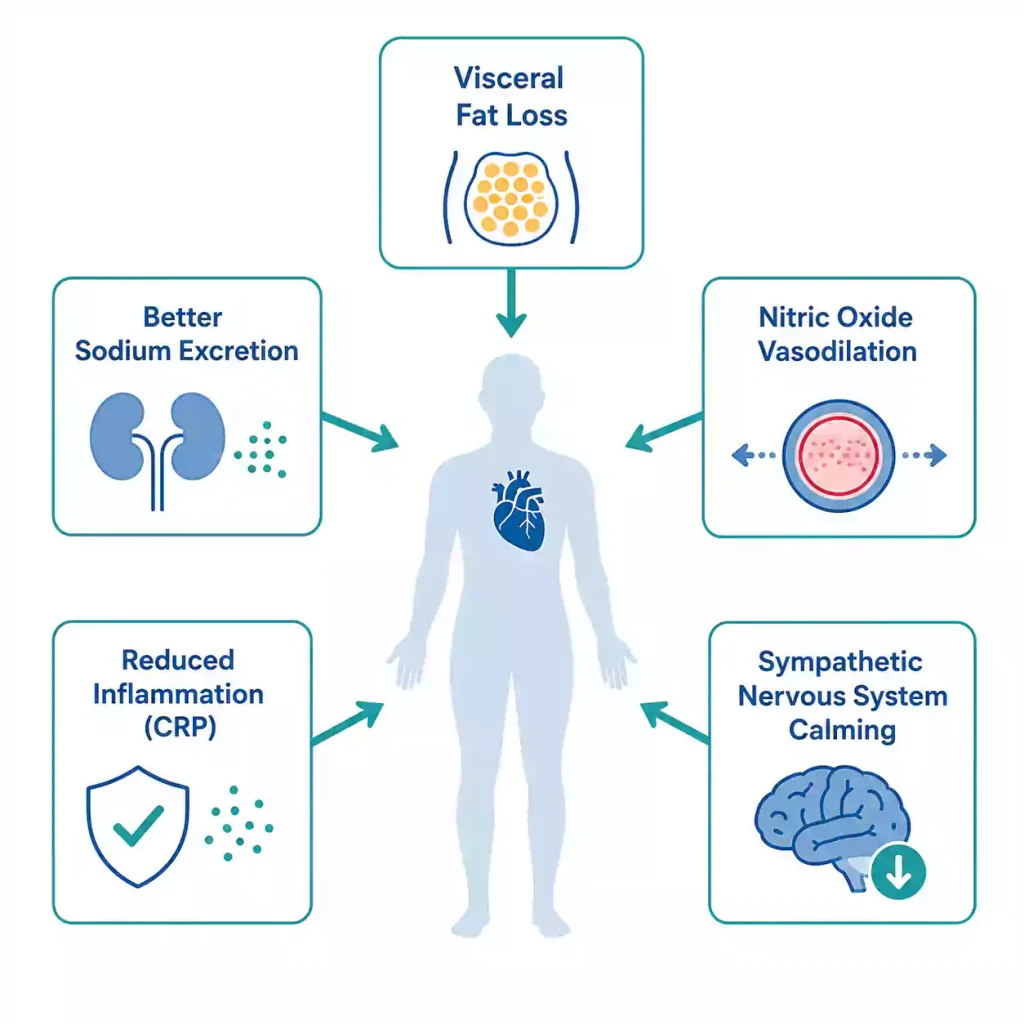
Visceral fat loss reduces pressure on the kidneys and blood vessels.
Excess fat stored deep around your organs puts direct mechanical pressure on both. GLP-1/GIP medications promote disproportionate visceral fat loss, which relieves that pressure. Every 1 kg of weight loss is associated with approximately 1 mm Hg reduction in systolic blood pressure.
Improved insulin sensitivity helps the kidneys excrete sodium.
Insulin resistance causes the kidneys to hold onto sodium and water, which increases blood volume and raises blood pressure. When GLP-1 medications improve insulin sensitivity, the kidneys handle sodium more efficiently. The result is lower fluid volume and lower pressure.
GLP-1 receptors on blood vessel walls trigger direct vasodilation.
When activated, those receptors stimulate nitric oxide production, a molecule that tells blood vessels to relax and widen. GLP-1/GIP medications also reduce inflammatory activity within vessel walls, which may slow plaque buildup over time.
Reduced inflammation helps blood vessels stay flexible.
Chronic inflammation stiffens blood vessels and makes them less able to dilate. As covered in our article on semaglutide and inflammation, these medications reduce C-reactive protein by 39 to 57% across the STEP trials. Healthier vessels respond better, and blood pressure reflects that.
GLP-1 medications may also reduce sympathetic nervous system activity.
Some evidence suggests they dampen the “fight-or-flight” response that drives blood pressure up, though this mechanism is still being actively studied.
What This Means If You Are Already on Blood Pressure Medication
If you start a GLP-1/GIP medication while you are already taking blood pressure pills, you may notice your readings dropping lower than usual. That is generally a good thing, but it comes with a practical concern: your existing blood pressure medications were calibrated for your old baseline. Taking the same dose when your blood pressure is now well-controlled can cause dizziness, lightheadedness, or fainting when you stand up quickly.
In the STEP 1 trial, 20% of semaglutide-treated participants who had hypertension at baseline were able to stop at least one blood pressure medication entirely. Another 14% were able to reduce the number of medications they were taking. Only 11% and 5% of placebo-treated participants achieved the same.
This is not something to manage on your own. Your provider needs to be part of this conversation. If you are enrolled in a medical weight loss program and your blood pressure is trending down, bring your home readings to your next visit and ask whether a medication adjustment makes sense.
A Quick Summary of the Key Numbers
| Trial | Medication | Systolic BP Reduction |
| STEP 1 | Semaglutide 2.4 mg | 6.2 mm Hg vs placebo |
| STEP 8 | Semaglutide 2.4 mg | 5.7 mm Hg vs liraglutide |
| SELECT | Semaglutide 2.4 mg | 3.3 mm Hg vs placebo |
| SURMOUNT-1 | Tirzepatide 15 mg | 8.0 mm Hg vs placebo |
| Meta-analysis (15 trials) | GLP-1 RAs (non-diabetic) | ~4.1 mm Hg average |
How GLP-1s Lower Blood Pressure: Key Takeaways
- GLP-1 and GLP-1/GIP medications are not blood pressure medications, but they consistently lower blood pressure in clinical trials.
- Systolic blood pressure reductions of 5 to 8 mm Hg are common at higher doses, which is clinically meaningful.
- The effect comes from multiple mechanisms: visceral fat loss, better sodium excretion, reduced inflammation, and direct effects on blood vessel walls.
- If you are on blood pressure medication and start a GLP-1, your provider may need to adjust your blood pressure regimen as your readings improve.
- Some patients on semaglutide or tirzepatide are eventually able to reduce or discontinue blood pressure medications entirely, under medical supervision.
Frequently Asked Questions
How GLP-1 Medications Impact High Blood Pressure
GLP-1/GIP medications are not a replacement for blood pressure medication. But for patients with obesity and hypertension, which describes the majority of people with high blood pressure, they address root causes rather than just treating the numbers.
By reducing visceral fat, improving how the kidneys handle sodium, lowering inflammation, and acting directly on blood vessel walls, these medications can lower blood pressure by 5 to 8 points or more. That translates into real risk reduction for stroke, heart attack, and kidney disease, and in many cases, fewer blood pressure pills.
If you are carrying extra weight and your blood pressure is elevated, it is worth asking your provider whether a GLP-1/GIP medication could be part of your treatment plan. At Everest eClinic, our Board Certified Nurse Practitioner works through exactly these questions with patients across Connecticut and Texas every day.
Contact Everest eClinic to speak with a provider about your options.
Sincerely,
Geeta Sharma,
DNP Endocrinology Nurse Practitioner
Everest Diabetes & Weight Loss
Connecticut: 203-689-0558 Office Phone or Text
Texas: Call: 512-541-2126

This article is for informational purposes and does not replace individualized medical advice. Talk to your provider before starting or stopping any medication.